Dental Crowns
Dental crowns are prosthetic restorations used to cover damaged, weakened, or aesthetically unsatisfactory teeth, restoring their function, appearance, and strength.
/ learn more
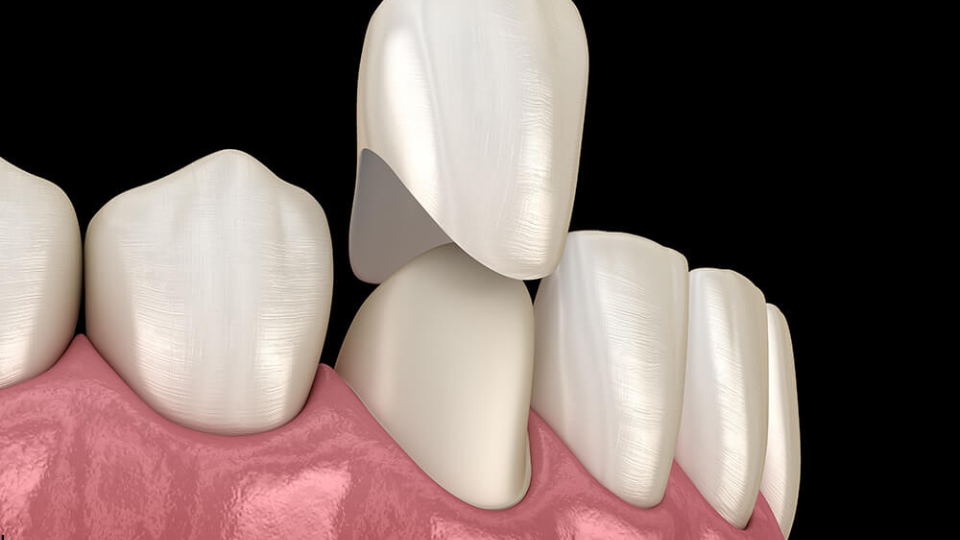
About dental crowns
What are dental crowns?
Sky Dental Concept, Belgrade, Serbia
Dental crowns are prosthetic restorations that cover damaged or weakened teeth, returning their natural look, functionality, and durability. They are made from different materials, including metal-ceramic, zirconia, and all-ceramic, and are designed to perfectly fit into the existing dental arch.
In addition to improving the aesthetics of the smile, crowns provide extra protection and prevent further tooth damage. They allow patients to preserve their natural teeth instead of having them extracted, which is essential for long-term oral health.
When do you need dental crowns?
There are several situations in which a dentist may recommend a dental crown:
-
01/
Tooth damage
If a tooth is severely damaged by decay or cracks, a crown can restore it and provide additional strength and long-term protection.
-
02/
Broken teeth
If a tooth is fractured due to trauma or excessive pressure, a crown can restore its function and appearance while making it more resistant to future damage.
-
03/
Teeth with large fillings
When a tooth has a large filling that weakens its structure, a crown provides extra stability and prevents fractures.
-
04/
Aesthetic reasons
If teeth are misshapen, discolored, or irregular, crowns can improve their appearance and make the smile more natural and attractive.
-
05/
Placement on implants
Crowns are also used as the final step in dental implant therapy, covering the implant and replacing the missing tooth, restoring both function and a natural look.
Who are ideal candidates for dental crowns?
Ideal candidates are patients with damaged, cracked, or aesthetically compromised teeth, as well as those with large fillings that weaken the tooth structure. Crowns are also an excellent solution for teeth after root canal treatment and as the final step in implant therapy, restoring a natural appearance and full functionality of the smile.
Types of dental crowns
There are several types of dental crowns, and the choice depends on the patient’s individual needs and the dentist’s recommendation:
-
01/
Metal-ceramic crowns
These crowns have a metal base covered with ceramic, offering good strength and aesthetics. They are popular because of their durability and relatively affordable price.
-
02/
Zirconia crowns
Made from zirconium, a material known for its strength and natural appearance. Zirconia crowns are biocompatible, making them ideal for patients with metal allergies. They are also highly resistant to wear.
-
03/
All-ceramic crowns
Made entirely of ceramic, they provide the best aesthetics. Their color and translucency closely mimic natural teeth, making them an excellent choice for front teeth. They are also tissue-friendly and do not cause allergic reactions.
HOW IT WORKS
Dental crown placement procedure
The process of placing a dental crown usually includes several steps:
-
1
Examination and tooth preparation
The dentist examines the tooth and determines whether any additional treatment is required before placing the crown.
-
2
Tooth preparation (shaping)
The tooth is shaped so it can receive the crown. If the tooth is severely damaged, a buildup may be done to provide a stable foundation.
-
3
Taking impressions
After preparation, a precise impression is taken and sent to a dental laboratory where the crown is fabricated.
-
4
Temporary crown
Until the permanent crown is ready, the patient receives a temporary crown to protect the tooth.
-
5
Placement of the permanent crown
Once the crown is finished, the dentist cements it in place and checks the bite for proper fit.
How to properly maintain dental crowns?
To extend the lifespan of your crowns, it is important to follow these recommendations:
-
01/
Brush and floss regularly
Good oral hygiene is essential to prevent plaque and bacteria buildup.
-
02/
Avoid hard foods
Excessive force can crack or damage a crown, so be careful with foods like nuts or ice.
-
03/
Regular dental check-ups
Visiting your dentist every six months helps detect potential issues early and keeps your crowns in good condition.
-
04/
Avoid bad habits
Nail-biting, opening bottles with your teeth, and similar habits can damage both crowns and natural teeth.
-
05/
Use antibacterial mouthwash
This helps maintain oral hygiene and prevent gum infections.
Book an
appointment
If you are considering dental crowns and would like more information, contact us and schedule a consultation with our dentist. Our professional team will help you find the best solution for your smile. Do not delay improving the health and aesthetics of your teeth – book your appointment today!