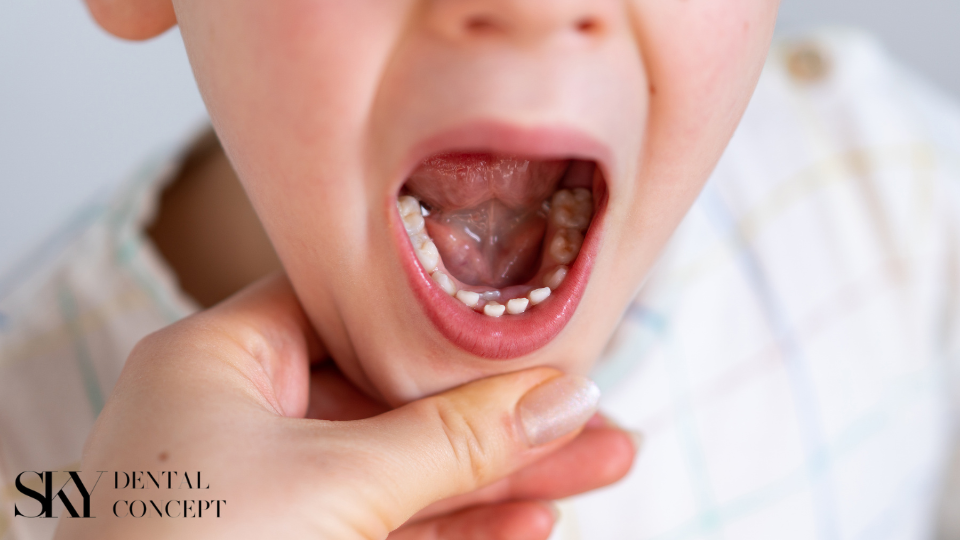
In addition to causing discomfort and aesthetic issues, untreated tooth decay can lead to serious complications such as infections and tooth loss, which can affect your ability to chew food and your confidence in social interactions.
In this article, we will explore all key aspects of tooth decay, starting with its definition and how to recognize it, as well as the causes, symptoms, treatments, and prevention of this condition. Special attention will be given to specific forms of decay, such as circular decay, and issues that may arise in children.
We will also thoroughly analyze the consequences of untreated decay to emphasize the importance of timely and appropriate treatment. Below, we will explore everything you need to know about this important topic and how you can maintain the health of your teeth.

What is Tooth Decay?
Tooth decay is a common oral disease characterized by the damage to tooth enamel caused by bacteria. This bacterial infection produces acids that attack the enamel, leading to its deterioration and the formation of cavities on the surface of the tooth.
How to Spot Tooth Decay?
Tooth decay can be recognized in several ways:
- Regular check-ups at our dental office are crucial for early detection, even when symptoms are not visible.
- Visible cavities or changes in the color of the tooth.
- Pain or discomfort when chewing food.
- Sensitivity to hot, cold, sweet, or acidic foods.
- The appearance of white or brown spots on the surface of the tooth.

Symptoms of Tooth Decay
The symptoms caused by tooth decay can vary depending on the stage of the disease and individual factors. Recognizing these symptoms is crucial for taking timely action to prevent further complications. Below, we will explore the different signs and symptoms of tooth decay to better understand their nature and the importance of responding promptly.
- Pain or tooth sensitivity when consuming hot, cold, sweet, or acidic foods and drinks.
- The appearance of white, brown, or black spots on the surface of the tooth, which may indicate the early stage of decay.
- Visible cavities or cracks on the teeth, which may indicate advanced stages of decay.
- Changes in tooth color, such as darkening or noticeable spots.
- Unpleasant breath or a bad taste in the mouth, especially if caused by the breakdown of food in the cavities of the decay.
- Pain when chewing food, which may indicate deeper and more serious damage to the tooth.
- Gum or surrounding tissue sensitivity, which may be a result of infection or irritation caused by the decay.


How is Tooth Decay Treated?
The Importance of Treating Tooth Decay
Treating tooth decay is essential for maintaining oral health and preventing further complications. There are different treatment methods applied depending on the severity of the decay and the extent of the tooth damage. In this section, we will explore the various steps in treating tooth decay and how proper care is taken to preserve both the function and aesthetics of the teeth.
Methods of Treating Tooth Decay and Their Effectiveness
Treating tooth decay requires a precise approach, and different methods are used depending on the degree of damage. In this section, we will examine the popular techniques dentists use to successfully treat tooth decay and restore the health of your teeth. Find out which treatment methods are most appropriate at different stages of decay and how they can help you preserve both the functionality and appearance of your teeth.
- Removal of Damaged Tissue: The first step in treating tooth decay is removing the damaged part of the tooth. This is achieved through drilling to remove infected and destroyed tissue. This prevents the infection from spreading to the healthy part of the tooth.
- Filling the Cavity: Once the damaged part is removed, the cavity is filled with an appropriate material. This could be composite filling or similar high-quality materials that allow the restoration of tooth function.
- Restoring the Tooth's Shape: In cases of more severe damage, the tooth may be restored with crowns or other types of prosthetics to ensure the functionality and aesthetics of the tooth, as well as long-term protection.
- Monitoring and Follow-Up: After the treatment, it is important to regularly monitor the condition of the tooth to ensure there are no new problems and that the treatment was successful. Regular dental check-ups allow for timely detection of any new changes.
OUR BLOG
Read more
-

13. Octobar 2024 Cold toothache – causes and solutions
Cold toothache is an unpleasant surprise that many experience during everyday activities, most often when consuming cold water, juices or ice cream. This pain can be short and transient, but sometimes it indicates a more serious problem that requires dental intervention. Although many immediately think of tooth decay, cold pain does not always mean a […]
-
13. Octobar 2024 Canker sores in the mouth – causes, symptoms and treatment of sores
Canker sores are a common and unpleasant phenomenon that affects both children and adults. Although they are usually not dangerous, they can cause severe pain, make it difficult to eat and speak, and significantly reduce the quality of life. These small sores on the mucous membrane often appear suddenly and can last from a few […]
-
13. Octobar 2024 Learn What Tooth Decay Is
Tooth decay is a common oral issue that can lead to uncomfortable symptoms such as pain and tooth damage.